Real Estate Digital Marketing is the real estate business game-changer in the present times. With more and more buyers and sellers using digital media for searching, comparing, and closing property deals, having proficient digital marketing strategies has become the need of the hour for real estate companies, brokers, and agents.
The right online marketing strategy not only makes people take notice of you, but also makes people trust you, achieves quality leads, and eventually sells more. What we are discussing here are tried and tested methods that will move your real estate business forward without turning your marketing steps people-oriented, time-consuming, and goal-setting.
Why Real Estate Digital Marketing Matters
Residential property real estate market is highly competitive with several agents competing for the customer’s attention. Print, billboards, and network meetings are all good marketing devices still, yet they lack the productivity and penetration Real Estate Digital Marketing can deliver. If you plan in advance on the internet, you can reach the right people exactly, tailor the message, and create leads at different stages of their buying process.
Property purchasing is an expensive venture, and the customers are cynics like never before. They employ logical research, images of the property, virtual property walks, and customer reviews before even responding to preliminary questions. Real Estate Digital Marketing provides depth of experience that instills confidence and guides the leads through the process—awareness to decision—smoothly.
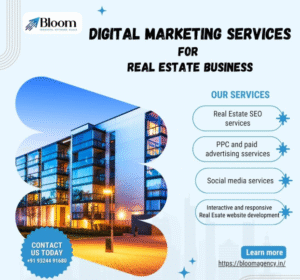
1. Optimize Your Website for User Experience and Search Engines
Your website is the central location for your online campaign. Well-maintained, mobile-optimal sites with quick page loads and simplicity make a lasting first impression. Homebuyers of residential real estate are searching for complete listings searchable by neighborhood and high-density images with quick-page-load, making Real Estate Digital Marketing essential for showcasing properties effectively.
Search Engine Optimization (SEO) has also been equally impactful. Keyword placement, meta description optimization, and incorporation of structured data places your page on search results when your category-alike users browse keywords of features of your area. Do not keyword stuff pages. Use them only naturally in headings, descriptions, and content so readability and SEO value enhances.
Key Site Features:
- Increased loading speed (less than 3 seconds)
- Mobility responsiveness
- Descriptive CTAs such as ”Schedule a Tour” or ”Contact an Agent”
- Location-based keyword property descriptions with interactive property descriptions
- Maps and directions embedded
- Certifications and testimonials as credibility markers
2. Use Social Media to Engage and Community Build
Facebook, Instagram, LinkedIn, and YouTube are social networks that provide access to your marketplace no other source can. Real Estate Digital Marketing makes full use of these sites because the real estate business is a picture-on business, and networks that accommodate image, video, and interactive content are highly capable of presenting properties.
Publishing today, publishing market data today, publishing customer feedback today, and targeted advertisement building can place your messages into consideration or home buying consumers.
Social Media Best Practices:
- Utilize high-quality images and virtual tours
- Employ stories and reels for behind-the-scenes opportunities
- Employ comments, polls, and Q&A for interactions
- Create downloadable guides like “First-Time Homebuyer Checklist”
- Utilize retargeting ads on the visitors who have not yet asked for a quote
3. Utilize Paid Advertisement with Exact Targeting
Organic traffic still leads, but in Google Ads, Facebook Ads, or Instagram Ads paid ad, you can reach your audience faster. Real Estate Digital Marketing strategies make use of demographic, geographic, and behavior-based targeting on all three platforms to maximize results.
For example, it is very simple to create campaigns for:
- First-home buyers
- Luxury house buyers
- People moving home to a new city
- Home renters who would like to let out long-term
Use simple, descriptive terms with imagery and lead magnets such as downloadable reports, webinars, or real estate reports to capture email addresses and follow up on offers that match.
4. Content Marketing: Establish Authority and Credibility
Producing quality, smart content earns the trust of your business and converts your users. Blog posts, case studies, community guides, and video content educate, but also show that you care about your shoppers’ hurts and illnesses.
Quality content topics that interest users are:
- How to choose the perfect place to live your best life
- First-time homeowners’ financing options
- Pros and cons of purchasing vs. leasing
- Local real estate trends in your local market
- Tips for staging homes how to get your home sold fast
Educational content answers customer questions before you ever get the call from them, and you’re an education expert rather than a nagging salesman.
5. Nurture Leads with Email Marketing
Email marketing is a great method of staying connected with prospects and former customers. One can divide the e-mail list so that focused e-mails with subsets based on what they are seeking, where they just so happen to be located geographically, and where they are in their buying cycle right now can be sent.
For example, one group of subscribers can be notified about new listings, another group of subscribers can receive marketplace trends and financial advice through newsletters.
Email Campaign Ideas:
- New subscriber welcome campaign
- Customized property suggestions
- Regular market reports
- Virtual tour or webinar invitations
- Reminder with downloadable content
Make your emails short, cute, and doable. Don’t send too many messages to the recipients or they will unsubscribe.
6. Employ Video Marketing to Make Your Brand More Human
Video content is more expressive and can more effectively show emotion, lifestyle, and trust. Virtual tours, agent profiles, customer testimonials, and market statistics all yield well to video.
You are able to produce:
- Voiceover property tours
- Before-and-after renovation stories
- Live Q&A sessions that provide answers to typical buyer inquiries
- Client interviews with the detailed buying records
Videos hold customers on your site longer and are search engine friendly, adding to your SEO campaign yet again.
7. Tune Your Approach with Analytics
Internet marketing is measurable, and keeping track of where you are will inform you of what’s working and what isn’t. Track with Google Analytics, Facebook Insights, and email campaign reporting to track:
- Sources of traffic
- Level of engagement
- Conversion rate
- Bounce rate
- Demographics
Something for each campaign to target and make adjustments based on numbers. Ongoing tweaking will have you spending money effectively and target most profitable avenues.
8. Target Local SEO to Get Local Customers
Local SEO enables targeting locals. Ensure that your Google Business Profile is claimed and optimized with correct contact information, reviews, images, and updates to appear in local search.
Get happy customers to review your business because positive reviews build trust and influence purchasing decisions. Real Estate Digital Marketing also involves developing content for local neighborhoods that would be of interest to users looking to buy homes in the area.
9. Industry and Influencer Partners
Influencer sponsors, mortgage agents, or interior designers assist in amplifying and strengthening your message. Look for partners whose value and mission overlap with your brand.
Partnering:
- Co-presented live presentations or webinars
- Co-authored blog posts or whitepapers
- Coupons with mutual cross-promotion
- Cross-promoting each other’s social content
Strategic partnerships build your brand authority and expose your audience to new ideas.
10. Customer Feedback and Experience
Lastly, the greatest marketing is delivering excellent customer experience. Answer promptly to inquiries, answer accurately, and close the lead. Small things such as hand-written letters or personal referral leave a very good impression to build long-term relationship.
Employ feedback and adjust your service accordingly. Satisfied customers will refer your service, give good word, and return for repeat business.
Final Thoughts
Real estate selling online is less about inundating prospects with offers and more about a series of steps where you’re delivering value, credibility, and solutions at each stage of the buying process. Utilize the pipes of Real Estate Digital Marketing—website optimization, content marketing, social presence, targeted advertising, and data intelligence—to build a firm marketing foundation that generates quality leads and builds your business over time.
With these strategies, your Real Estate Digital Marketing efforts will ensure your real estate brand not only stands out from competitors but also creates meaningful connections that lead to higher conversion rates and long-term success. Implement these tactics thoughtfully, keep refining based on results, and you’ll be well on your way to skyrocketing your sales.
Let’s reclaim your Digital Marketing for Real Estate as a focused, fact-based force that works. Commit to these habits today and see your business take off in the digital age.